Modern vehicles are increasingly reliant on advanced driver-assistance systems (ADAS) and autonomous technologies. Central to these systems are LiDAR sensors and camera modules, which allow vehicles to perceive their surroundings with remarkable accuracy. One of the often-overlooked yet critical components in these optical systems is the optical filter. By selectively transmitting or blocking specific wavelengths of light, optical filters enhance sensor performance, improve safety, and ensure consistent functionality under diverse driving conditions.
1. Understanding Optical Filters
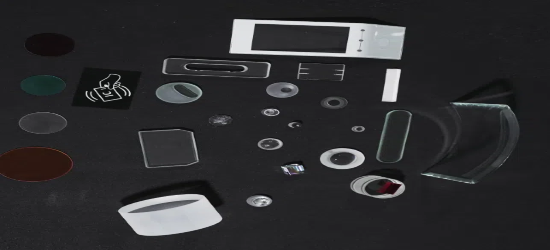
An optical filter is a device that selectively transmits light of certain wavelengths while blocking others. They are widely used in scientific instruments, photography, and, increasingly, automotive sensors. In LiDAR and camera systems, optical filters help manage light intensity, reduce glare, enhance contrast, and isolate the wavelengths most relevant for sensor detection.
Optical filters can be classified based on their design and function:
Bandpass Filters: Transmit a specific range of wavelengths while blocking others.
Longpass and Shortpass Filters: Block short or long wavelengths, respectively, while allowing the complementary range to pass.
Neutral Density Filters: Reduce overall light intensity without altering color balance.
Polarizing Filters: Control light polarization to reduce reflections and glare.
By integrating these filters into automotive optical systems, manufacturers can ensure that sensors operate optimally under various lighting conditions, from bright sunlight to low-light or nighttime scenarios.
2. Role of Optical Filters in LiDAR Systems
LiDAR (Light Detection and Ranging) sensors have become essential for autonomous and semi-autonomous vehicles, providing high-resolution, three-dimensional mapping of the environment. These sensors operate by emitting rapid laser pulses and measuring the time it takes for the reflected light to return. This process enables vehicles to detect obstacles, pedestrians, other vehicles, and road infrastructure with remarkable precision, forming the backbone of advanced driver-assistance systems (ADAS).
LiDAR systems are designed to operate at specific wavelengths, commonly 905 nm or 1550 nm, chosen to optimize detection range, penetration through atmospheric conditions, and eye safety. Optical filters play a crucial role in this process by ensuring that only the desired laser wavelength reaches the detector. By selectively blocking unwanted wavelengths from sunlight, streetlights, and other artificial sources, filters prevent interference that could degrade the accuracy of distance measurements. This selective transmission ensures that LiDAR sensors maintain consistent performance even in challenging lighting conditions, such as bright sunlight or nighttime driving with oncoming headlights.
Signal-to-Noise Optimization
One of the primary functions of optical filters in LiDAR systems is improving the signal-to-noise ratio (SNR). Ambient light and scattered reflections can introduce noise that obscures the laser signal, leading to less accurate mapping and obstacle detection. Filters block these unwanted light sources, allowing the detector to focus solely on the laser reflections from the environment. As a result, the system achieves sharper 3D mapping, more precise distance calculations, and more reliable detection of objects, including smaller or partially obscured obstacles.
Protection of Sensitive Detectors
LiDAR sensors typically use highly sensitive photodiodes or avalanche photodiodes to detect returning laser pulses. These components are extremely responsive to light intensity and wavelength, making them susceptible to damage or performance degradation from excessive ambient light exposure. Optical filters safeguard these sensitive detectors by limiting exposure to only the relevant wavelengths, preventing overexposure, reducing heat buildup, and prolonging sensor lifespan. This protective function not only enhances reliability but also reduces maintenance costs and downtime for vehicle sensor systems.
By integrating optical filters into LiDAR modules, manufacturers ensure high precision, consistent performance, and long-term durability, all of which are critical for safe and reliable autonomous vehicle operation.
3. Optical Filters in Automotive Camera Systems
Cameras are integral to lane departure warnings, adaptive cruise control, traffic sign recognition, and parking assistance. High-quality images and accurate color reproduction are essential for these systems to function reliably.
Polarizing optical filters reduce reflections from wet roads, windows, and metallic surfaces. This enhances the camera’s ability to detect lane markings, traffic signals, and pedestrians even under challenging lighting conditions.
Color Accuracy and Contrast
Bandpass and color-correcting filters help cameras capture true-to-life colors and maintain high contrast. This is particularly important for object recognition algorithms that rely on accurate color data to differentiate vehicles, pedestrians, and other obstacles.
Optical filters can improve camera sensitivity in low-light environments by blocking unwanted infrared (IR) or ultraviolet (UV) light that may interfere with sensor performance. This enables cameras to maintain visibility and accuracy at dusk, nighttime, or in tunnels.
4. Advantages of Using Optical Filters in Automotive Sensors
Integrating optical filters in automotive LiDAR and camera systems provides numerous benefits:
a Improved Safety
By enhancing sensor accuracy and reliability, optical filters contribute to overall vehicle safety. Accurate detection of obstacles, pedestrians, and road conditions reduces the likelihood of accidents.
b Enhanced Sensor Longevity
Filters protect sensitive detectors from excessive light exposure, dust, and environmental contaminants, prolonging the operational lifespan of LiDAR and camera modules.
c Consistent Performance in Diverse Conditions
From bright sunlight to foggy or rainy weather, optical filters ensure that sensors maintain optimal performance regardless of external lighting or weather conditions.
d Support for Autonomous Driving
High-quality optical filters are essential for autonomous vehicles, where precise environmental mapping and object recognition are critical. They help LiDAR and cameras provide reliable data to vehicle control systems for real-time decision-making.
e Reduced Maintenance Costs
By filtering out harmful light and protecting sensitive components, optical filters reduce the risk of sensor damage, minimizing downtime and maintenance costs for vehicle operators.
5. Material Considerations for Automotive Optical Filters
The performance of optical filters depends on the materials and coatings used. Common materials include:
Optical Glass: High transparency, excellent durability, and resistance to environmental degradation.
Quartz or Fused Silica: Ideal for UV applications due to low absorption in the ultraviolet range.
Coatings: Anti-reflective, dielectric, or hard coatings enhance filter performance, protect surfaces, and maintain consistent transmission across a range of temperatures.
Automotive-grade optical filters must withstand harsh conditions such as temperature fluctuations, vibrations, humidity, and exposure to road debris, all while maintaining precise optical characteristics.
6. Emerging Trends in Optical Filter Technology for Vehicles
As vehicles become smarter and more autonomous, optical filter technology is evolving:
Miniaturization: Smaller filters enable compact LiDAR and camera modules without compromising performance.
Multi-Layer Coatings: Advanced coating techniques allow filters to selectively block multiple unwanted wavelengths while maintaining high transmission for the desired spectrum.
Adaptive Filters: Research is underway on filters that dynamically adjust their properties based on ambient lighting or sensor requirements, further improving real-time performance.
Integration with AI Systems: Filters can complement AI-driven sensor fusion by ensuring that the data captured is clean, accurate, and consistent, improving the reliability of autonomous navigation.
7. Conclusion
Optical filters are a critical component in modern automotive sensor systems, including LiDAR and cameras. They ensure accurate detection, improve image quality, reduce interference, and protect sensitive sensor components. By enhancing safety, reliability, and overall vehicle performance, these filters are indispensable for ADAS and autonomous driving technologies.
For automotive manufacturers and sensor developers seeking high-quality optical filters, Haian Taiyu Optical Glass Co., Ltd. offers advanced solutions tailored for the automotive industry. Their optical filters provide durability, precision, and performance, ensuring that LiDAR and camera systems operate at peak efficiency across all driving conditions.
 English
 العربية
 Français
 Русский
 Español
 Português
 Deutsch
 italiano
 日本語
日本語 한국어
한국어 Nederlands
 Tiếng Việt
 ไทย
ไทย Polski
 Türkçe
 አማርኛ
አማርኛ ພາສາລາວ
 ភាសាខ្មែរ
 Bahasa Melayu
 ဗမာစာ
ဗမာစာ தமிழ்
தமிழ் Filipino
 Bahasa Indonesia
 magyar
 Română
 Čeština
 Монгол
 қазақ
қазақ Српски
 हिन्दी
 فارسی
فارسی Kiswahili
 Slovenčina
 Slovenščina
 Norsk
Norsk Svenska
 українська
 Ελληνικά
 Suomi
Suomi Հայերեն
 עברית
עברית Latine
 Dansk
Dansk اردو
اردو Shqip
Shqip বাংলা
বাংলা Hrvatski
 Afrikaans
 Gaeilge
 Eesti keel
 Māori
Māori


