Have you ever been frustrated by glare or reflections on your lenses? Whether you're driving at night or taking a photograph, anti-reflective (AR) coatings can make a world of difference. In this article, we will explore the essential role of AR coatings in eyewear and photographic lenses. These coatings significantly enhance visual clarity, reduce glare, and improve the aesthetic appeal of lenses. You’ll discover how optical coatings help you see more clearly and comfortably, with practical insights into their benefits and applications in everyday life and professional settings.
Key Takeaways
Enhanced Visual Clarity: AR coatings reduce glare, improving vision in low-light conditions and when using digital screens.
Improved Aesthetic Appeal: Lenses with AR coatings appear nearly invisible, allowing others to see your eyes clearly.
Better Night Driving: AR coatings reduce glare from headlights and streetlights, enhancing driving safety.
Applications Beyond Eyewear: AR coatings are also used in technology, optical instruments, and industrial safety equipment.
Innovations in Coatings: Advanced AR coatings include scratch resistance, hydrophobic properties, and self-healing capabilities.
Understanding Anti-Reflective Coatings
What Is Anti-Reflective Coating?
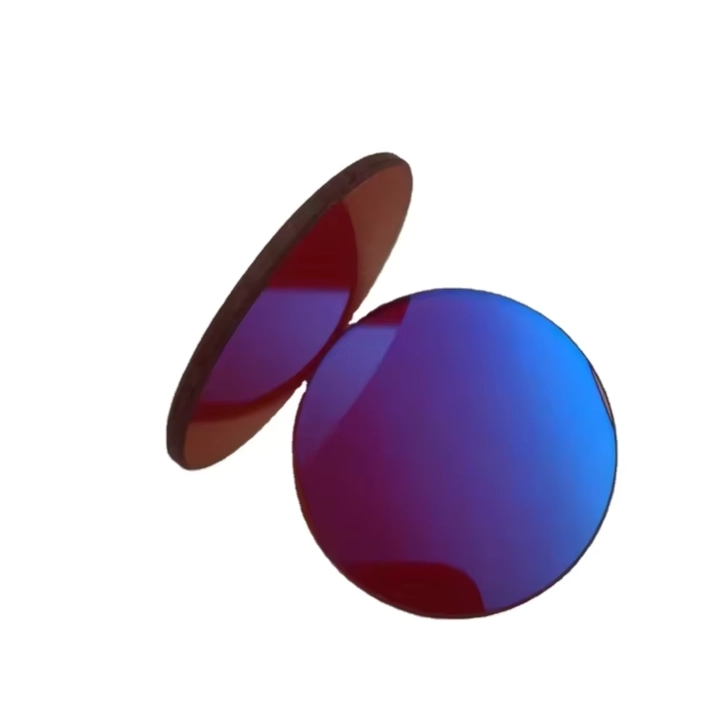
An anti-reflective coating is a thin layer applied to lenses that helps reduce the amount of light reflected off their surface. Typically made from metal oxides, the AR coating allows more light to pass through the lens, enhancing the quality of vision by reducing reflections and glare. This is especially important for people who wear glasses for long periods, as it helps alleviate eye strain caused by reflections and enhances visual clarity.
How AR Coatings Enhance Vision
AR coatings enhance vision by improving the amount of light transmitted through the lens. When light passes through an uncoated lens, a portion of it gets reflected back, reducing the overall light entering the eye. With anti-reflective optical coatings, the amount of light that reaches the eye increases, resulting in clearer and sharper vision. This is particularly useful in challenging lighting conditions, such as dimly lit rooms, or when using digital screens.
Types of Anti-Reflective Coatings
| Coating Type | Description | Best For |
| Single-layer AR | A basic, cost-effective coating for general use. | Everyday eyewear use. |
| Multi-layer AR | Multiple layers of coating for enhanced performance. | Professional and high-index lenses. |
| Color-enhancing AR | Improves color contrast and vibrancy. | Photography and digital screens. |
| Scratch-resistant AR | Includes extra layer for durability. | Outdoor and active lifestyle lenses. |
The Benefits of Anti-Reflective Coatings in Eyewear
Improved Visual Clarity
One of the primary advantages of anti-reflective coatings is the significant reduction of glare, especially in low-light conditions. Without AR coatings, reflections from light sources such as streetlights or overhead lights can create halos and distortions in vision. By eliminating these reflections, AR coatings ensure sharper and more precise vision, whether you're driving at night or reading under bright lights.
Enhanced Aesthetic Appeal
AR coatings not only enhance the functionality of lenses but also improve their appearance. Lenses coated with AR coatings appear nearly invisible, allowing others to see your eyes clearly. This is particularly beneficial in professional settings or during face-to-face interactions, as it creates a cleaner, more attractive look. Furthermore, it eliminates reflections that can make your lenses look cloudy or dirty in photos.
Better Night Driving
Driving at night can be challenging due to the glare from headlights and streetlights. Anti-reflective coatings significantly reduce this glare, improving your ability to see the road clearly and enhancing safety. They also reduce the halo effect that can occur around bright lights, making it easier to navigate at night, particularly for those with high prescriptions or thicker lenses.
The Role of Anti-Reflective Coatings in Photographic Lenses
Minimized Lens Flare
In photography, minimizing lens flare is crucial for capturing high-quality images. Anti-reflective coatings are commonly applied to photographic lenses to reduce reflections that cause lens flare. This results in sharper, more vibrant images with fewer distracting light artifacts, improving the overall quality of photos and videos.
Improved Contrast and Color Accuracy
AR coatings improve contrast and color accuracy by allowing more light to pass through the lens without being scattered by reflections. This enhancement is particularly beneficial for photographers, as it ensures that colors appear more vibrant and true to life. Enhanced contrast also helps highlight fine details, making images more dynamic and visually appealing.
Applications in Photography and Videography
Anti-reflective coatings are essential for photographers and videographers who rely on high-quality lenses for capturing sharp, clear images. These coatings help reduce unwanted light reflections, ensuring that subjects are presented in their true form, without the distractions of unwanted glares or halos. Whether for portrait photography, landscape photography, or videography, AR coatings play a critical role in producing professional-level results.
Applications of Anti-Reflective Coatings Beyond Eyewear
AR Coatings in Technology and Displays
Anti-reflective coatings have broad applications beyond eyewear. In modern technology, AR coatings are commonly used in smartphones, computer monitors, and television screens. By reducing screen glare, these coatings improve the viewing experience, especially in environments with bright ambient lighting. Devices with AR coatings also provide clearer, sharper images, making them more user-friendly.
AR Coatings in Optical Instruments
Anti-reflective coatings are essential in optical instruments such as microscopes, telescopes, and binoculars. These coatings minimize reflections and enhance light transmission, allowing users to view objects with greater detail and clarity. This is particularly important in scientific research, astronomy, and other fields where precision and clear images are vital.
AR Coatings in Safety and Industrial Equipment
In industrial environments, AR coatings are applied to safety eyewear and other optical devices to reduce glare and enhance visual clarity. Workers in environments with bright lighting or high-intensity light sources, such as welding or construction sites, benefit from AR-coated lenses, which improve both safety and performance. These coatings ensure that workers can focus on their tasks without the distraction of glare.
Innovations in Anti-Reflective Coatings
Advances in Scratch Resistance
One of the key innovations in AR coatings is the incorporation of scratch-resistant layers. These advanced coatings protect lenses from scratches and scuffs, ensuring that they remain clear and functional for a longer period. As eyewear and lenses become more durable, consumers can enjoy the benefits of AR coatings without worrying about frequent replacements or damage.
Hydrophobic and Oleophobic Properties
New anti-reflective coatings are designed to be hydrophobic (water-repellent) and oleophobic (oil-repellent). These properties make lenses easier to clean and maintain, as they prevent water droplets and oils from adhering to the surface. This enhances both the durability and functionality of AR-coated lenses, especially for individuals who wear glasses in humid or outdoor environments.
Self-Healing AR Coatings
In the future, self-healing AR coatings may revolutionize the eyewear industry. These coatings are designed to repair minor scratches and wear on the lens surface, ensuring that the clarity and functionality of the coating are maintained over time. This innovation promises to extend the lifespan of AR coatings and reduce the need for lens replacements.
How to Care for Lenses with Anti-Reflective Coating
Cleaning and Maintenance Tips
Proper care is essential to maintaining the performance and longevity of AR coatings. To clean lenses with AR coatings, use a microfiber cloth and avoid harsh chemicals or abrasive materials, which can damage the coating. It's important to rinse the lenses under lukewarm water to remove any dirt or debris before wiping them clean.
Protecting Your Lenses from Damage
Storing your glasses properly is essential to protect the anti-reflective coating. Always store your glasses in a hard case when not in use to prevent scratches and other damage. Additionally, handle the lenses with care by using both hands when placing them on or taking them off.
Conclusion
Anti-reflective coatings play a crucial role in both eyewear and photographic lenses. These coatings offer several advantages, including improved visual clarity, reduced glare, and enhanced aesthetics. They make lenses more comfortable to wear, particularly in low-light conditions or during screen use. As innovations like scratch resistance, hydrophobic properties, and self-healing capabilities continue, AR coatings will further elevate the user experience across industries.
For those seeking high-quality optical solutions, TAIYU OPTICAL GLASS provides cutting-edge anti-reflective coatings. Their products, such as the custom thin optical coatings for space applications, offer exceptional value by enhancing durability and visual performance.
FAQ
Q: What are anti-reflective optical coatings?
A: Anti-reflective optical coatings are thin layers applied to lenses to reduce reflections and glare. These coatings allow more light to pass through, enhancing visual clarity.
Q: How do anti-reflective coatings improve vision?
A: Anti-reflective coatings reduce glare, improve contrast, and allow more light to reach the eyes, resulting in sharper, clearer vision, especially in low-light or screen-heavy environments.
Q: Are anti-reflective coatings worth the investment?
A: Yes, investing in anti-reflective optical coatings can significantly improve vision quality and comfort, especially for those who use glasses in various lighting conditions or for digital tasks.
Q: Do anti-reflective coatings make lenses more durable?
A: Yes, many anti-reflective coatings are paired with scratch-resistant layers, increasing the durability and lifespan of the lenses, making them more resistant to everyday wear and tear.
 English
 العربية
 Français
 Русский
 Español
 Português
 Deutsch
 italiano
 日本語
日本語 한국어
한국어 Nederlands
 Tiếng Việt
 ไทย
ไทย Polski
 Türkçe
 አማርኛ
አማርኛ ພາສາລາວ
 ភាសាខ្មែរ
 Bahasa Melayu
 ဗမာစာ
ဗမာစာ தமிழ்
தமிழ் Filipino
 Bahasa Indonesia
 magyar
 Română
 Čeština
 Монгол
 қазақ
қазақ Српски
 हिन्दी
 فارسی
فارسی Kiswahili
 Slovenčina
 Slovenščina
 Norsk
Norsk Svenska
 українська
 Ελληνικά
 Suomi
Suomi Հայերեն
 עברית
עברית Latine
 Dansk
Dansk اردو
اردو Shqip
Shqip বাংলা
বাংলা Hrvatski
 Afrikaans
 Gaeilge
 Eesti keel
 Māori
Māori


