Optical filters are essential components in a wide range of industries, from photography and imaging to scientific research and telecommunications. These delicate devices are designed to selectively transmit, reflect, or block specific wavelengths of light, enabling precise control over optical systems. Because of their critical role, maintaining and cleaning optical filters properly is vital to ensure their longevity, optimal performance, and reliability.
1. Understanding the Sensitivity of Optical Filters
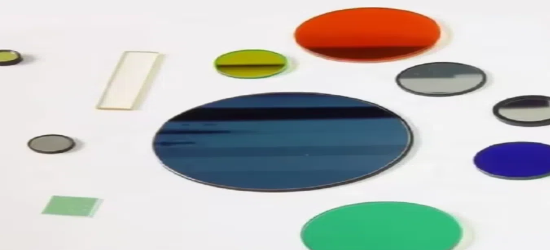
Optical filters are often made from high-quality glass or specialized plastics with multiple coatings to enhance transmission or reflection properties. These coatings can be extremely thin and sensitive to scratches, chemicals, or environmental exposure. Common types of optical filters include:
Absorptive filters: Contain materials that absorb unwanted wavelengths.
Interference filters: Use thin-film coatings to selectively transmit or reflect light.
Dichroic filters: Reflect specific wavelengths while transmitting others.
Even minor damage to these coatings can significantly degrade performance. Therefore, it is essential to handle optical filters with care during storage, use, and cleaning.
2. Proper Handling and Storage
Proper handling and storage are critical to preserving the performance and longevity of optical filters. Due to their delicate coatings and precision-engineered surfaces, even minor mistakes in handling can result in scratches, smudges, or coating degradation, which directly affect their optical properties.
Fingerprints, natural oils, and sweat can compromise the surface of optical filters, leading to smudges that interfere with light transmission. To prevent this, always wear clean, lint-free gloves when handling filters. Avoid touching the coated surfaces directly, and hold filters by the edges whenever possible. For larger or heavier filters, consider using two hands or support frames to prevent accidental drops.
When not in use, optical filters should be stored in dedicated protective cases, sleeves, or pouches. These storage solutions prevent dust accumulation, minimize the risk of accidental scratches, and offer impact protection during transport. For smaller filters, individual compartments or labeled slots within a case can further reduce the chances of damage. Proper labeling also helps avoid unnecessary handling when searching for a specific filter.
Minimize Exposure to Harsh Environments
Optical filters are sensitive to extreme environmental conditions. Prolonged exposure to high humidity, drastic temperature fluctuations, or corrosive chemicals can damage coatings and alter optical performance. If filters are used in outdoor or industrial settings, consider additional protective housings or desiccant packs to control moisture. For long-term storage, maintain filters in a climate-controlled environment to prevent corrosion and degradation over time.
3. Routine Cleaning Procedures
Even with careful handling, dust, fingerprints, and other contaminants inevitably accumulate on optical filters. Regular cleaning ensures that filters maintain their transmission efficiency and optical clarity, but improper cleaning can cause permanent damage.
For routine maintenance, begin with dry dusting. Use a soft, anti-static brush or a clean air blower to gently remove loose particles from the filter surface. Avoid compressed air cans that contain propellants, as these may leave residues or cause micro-abrasions. Dry dusting is usually sufficient for light contamination and prevents unnecessary contact with solvents.
Wet Cleaning with Solvents
For more stubborn residues, wet cleaning is necessary. Use high-purity, optical-grade solvents such as isopropyl alcohol or acetone. Apply the solvent to a clean, lint-free microfiber cloth or optical tissue rather than pouring it directly onto the filter. Gently wipe the surface in a circular motion, starting from the center and moving outward. This technique minimizes the risk of scratches and ensures even removal of oils or smudges.
Specialized Cleaning Kits
Commercial optical cleaning kits provide a convenient solution for delicate filters. These kits often include microfiber cloths, lens tissues, and pre-mixed cleaning solutions formulated for coated or multilayer optical filters. They are especially useful for interference and dichroic filters, where multilayer coatings require extra care. Using specialized kits helps preserve coating integrity while effectively removing contaminants.
4. Preventing Damage During Cleaning
While cleaning is an essential part of filter maintenance, improper techniques can cause more harm than good. Optical filters are coated with thin, delicate layers that determine their reflective or transmissive properties. Once scratched, cracked, or stripped, these coatings cannot be easily repaired. Therefore, prevention is just as important as cleaning itself.
Never Use Abrasive Materials
Household items such as paper towels, rough cloths, or facial tissues may seem harmless, but their fibrous texture can leave fine scratches on the surface of filters. Always rely on optical-grade microfiber cloths or lens tissues specifically designed for delicate coatings.
Avoid Excessive Pressure
Applying too much force while wiping may not only scratch the surface but also damage the thin coatings or even induce micro-cracks in the substrate. A gentle, consistent motion is always preferable, even if it requires multiple light passes rather than a single forceful wipe.
Limit Frequency of Cleaning
Although a spotless filter may look appealing, over-cleaning actually increases the risk of long-term abrasion. Clean only when contaminants such as dust, fingerprints, or smudges are visibly interfering with performance. For filters stored properly, cleaning may only be needed occasionally. Preventive care through careful handling and storage is more effective than frequent cleaning.
5. Maintenance Tips for Longevity
Prolonging the lifespan of optical filters is about more than just cleaning; it requires a comprehensive maintenance approach. Below are some best practices that help ensure filters deliver consistent performance over years of use.
Examine filters under proper lighting conditions and, if available, with magnification. Look for scratches, coating degradation, or subtle discoloration, which can indicate early wear. Identifying problems early can prevent system-wide performance issues, especially in sensitive optical setups like microscopes or spectrometers.
Filters should be stored in stable environments with controlled temperature and humidity. High humidity can cause coatings to peel or corrode, while rapid temperature changes may result in thermal stress. For long-term storage, consider sealed containers with desiccant packs or nitrogen purging to minimize moisture exposure.
When integrating optical filters into assemblies, ensure that mounting systems do not apply uneven pressure. Even slight bending or warping can cause cracks, coating delamination, or altered optical properties. Use mounts designed specifically for optical components, with cushioned edges or adjustable holders to distribute pressure evenly.
An often-overlooked aspect of filter longevity is proper organization. Clearly label filters according to their type, wavelength range, and application. Organized storage—such as foam-padded cases with individual slots—not only makes retrieval easier but also reduces unnecessary handling. Fewer touches mean fewer chances for accidental damage.
6. Summary
Proper maintenance and careful cleaning of optical filters are essential for maximizing their lifespan and ensuring consistent performance. By following these guidelines—wearing gloves, using appropriate cleaning materials, inspecting regularly, and controlling environmental exposure—users can preserve the functionality and reliability of their optical filters for years.
Whether you work in photography, scientific research, telecommunications, or industrial applications, taking the time to maintain optical filters pays off by reducing replacement costs, avoiding system errors, and improving overall efficiency.
For high-quality optical filters and professional guidance on proper handling and maintenance, Haian Taiyu Optical Glass Co., Ltd. offers a wide range of precision products and expert support. Visit Haian Taiyu Optical Glass Co., Ltd. to learn more or contact their team to find the best solutions for your optical systems.
 English
 العربية
 Français
 Русский
 Español
 Português
 Deutsch
 italiano
 日本語
日本語 한국어
한국어 Nederlands
 Tiếng Việt
 ไทย
ไทย Polski
 Türkçe
 አማርኛ
አማርኛ ພາສາລາວ
 ភាសាខ្មែរ
 Bahasa Melayu
 ဗမာစာ
ဗမာစာ தமிழ்
தமிழ் Filipino
 Bahasa Indonesia
 magyar
 Română
 Čeština
 Монгол
 қазақ
қазақ Српски
 हिन्दी
 فارسی
فارسی Kiswahili
 Slovenčina
 Slovenščina
 Norsk
Norsk Svenska
 українська
 Ελληνικά
 Suomi
Suomi Հայերեն
 עברית
עברית Latine
 Dansk
Dansk اردو
اردو Shqip
Shqip বাংলা
বাংলা Hrvatski
 Afrikaans
 Gaeilge
 Eesti keel
 Māori
Māori


