Optical filters are a critical component in many medical and scientific instruments, shaping the way light interacts with objects, samples, and sensors. From microscopes and imaging systems to spectrometers and diagnostic devices, these filters enhance visibility, accuracy, and reliability. In essence, optical filters control the wavelength, intensity, and polarization of light to optimize how instruments capture and analyze information.
In this article, we will explore how optical filters work, their benefits, applications in medical and scientific instruments, and why they are indispensable in modern technology.
What Are Optical Filters?
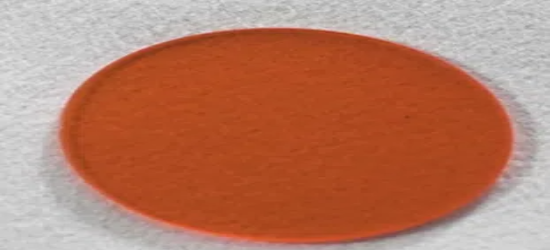
An optical filter is a device that selectively transmits, absorbs, or reflects specific wavelengths of light. Filters can be made from various materials, including glass, plastics, or coated substrates, and can be designed to target narrow or broad wavelength ranges.
Optical filters come in several types, each serving a distinct function:
Bandpass Filters: Allow only a specific range of wavelengths to pass through while blocking others.
Longpass Filters: Transmit wavelengths longer than a specified cutoff, blocking shorter wavelengths.
Shortpass Filters: Transmit wavelengths shorter than a certain value while blocking longer wavelengths.
Neutral Density Filters: Reduce the intensity of all wavelengths equally without changing color balance.
Polarizing Filters: Control the polarization of light, reducing glare and enhancing contrast.
By precisely controlling the characteristics of light, optical filters improve the performance of medical and scientific instruments, enabling clearer imaging, better measurements, and more reliable data.
How Optical Filters Improve Vision in Medical Instruments
Medical instruments rely on precise optical systems to diagnose, monitor, and treat patients. Optical filters enhance these instruments in several critical ways:
1. Enhanced Contrast and Clarity
Filters can isolate specific wavelengths that highlight particular structures or tissues. For example, in fluorescence microscopy, bandpass filters allow only the emission wavelength of a fluorophore to reach the detector, eliminating background noise. This creates high-contrast images of cells, tissues, or bacteria, improving diagnostic accuracy.
2. Reduced Eye Strain for Clinicians
In medical imaging, bright light or unwanted wavelengths can cause glare and visual fatigue. Neutral density and polarizing filters reduce excess brightness and reflections, making it easier for clinicians to observe details for extended periods without discomfort.
3. Targeted Diagnostics
Certain medical imaging techniques, such as ophthalmic devices, rely on specific wavelengths to assess retinal health. Optical filters selectively transmit these wavelengths, allowing devices to detect subtle changes in tissue composition, blood flow, or cellular structure.
4. Improved Fluorescence Imaging
Fluorescent dyes are commonly used in biological research and diagnostics. By filtering excitation and emission light accurately, optical filters prevent unwanted light from reaching detectors. This ensures sharp, well-defined images critical for identifying abnormalities at the microscopic level.
5. Enhanced Phototherapy
Optical filters are also used in therapeutic devices. For example, in laser or LED phototherapy, filters control the wavelengths delivered to the skin or tissues, optimizing therapeutic effects while reducing potential damage to surrounding areas.
How Optical Filters Improve Vision in Scientific Instruments
In addition to medical applications, optical filters are widely used in scientific instruments for research, measurement, and analysis. Their benefits include:
1. Spectroscopy and Chemical Analysis
In instruments like spectrophotometers, filters isolate specific wavelengths of light to measure absorption, transmission, or emission characteristics of samples. This enables precise chemical analysis, concentration measurements, and monitoring of reactions in real-time.
2. Astronomical Observations
Astronomers rely on filters to observe specific wavelengths emitted by stars, galaxies, and other celestial objects. Bandpass and narrowband filters allow telescopes to capture clear images of faint objects while minimizing interference from atmospheric light or other sources.
3. Environmental Monitoring
Scientific instruments used for environmental analysis, such as water quality sensors or air pollution detectors, use optical filters to distinguish specific chemical signatures. This enhances detection sensitivity and improves data accuracy.
4. Microscopy in Research
Filters in research microscopes allow scientists to selectively observe labeled molecules, organelles, or proteins. By blocking unwanted light and transmitting only the relevant wavelengths, filters enable clearer images and more precise measurements at the cellular or molecular level.
5. Laser-Based Measurements
Optical filters protect sensors and detectors in laser systems by removing stray light and unwanted wavelengths. This ensures accurate measurement in applications such as distance sensing, 3D scanning, and particle detection.
Key Benefits of Using Optical Filters
Across medical and scientific applications, the key benefits of optical filters include:
Improved Image Quality: Enhanced contrast, brightness, and clarity.
Increased Diagnostic Accuracy: Precise visualization of tissues, cells, and chemicals.
Reduced Noise and Interference: Better signal-to-noise ratio in imaging and measurements.
Protection of Sensors and Eyes: Reduced exposure to harmful or excessive light.
Customization and Versatility: Filters can be tailored to specific wavelengths, shapes, and sizes depending on application requirements.
By carefully selecting the right filters, manufacturers and researchers can optimize their instruments for both performance and safety.
Considerations When Choosing Optical Filters
When selecting optical filters for medical or scientific instruments, several factors should be considered:
Wavelength Range: Ensure the filter transmits or blocks the specific wavelengths required for the application.
Optical Quality: High-quality glass or coated filters reduce aberrations, reflections, and distortion.
Durability: Filters should resist scratching, chemical exposure, and thermal stress in laboratory or clinical environments.
Compatibility: Consider the size, shape, and mounting options to ensure proper integration with the instrument.
Cost and Availability: While high-quality filters may be more expensive, the benefits of accurate measurements and reliable imaging often justify the investment.
Applications of Optical Filters in Modern Medicine
Some practical examples highlight the essential role of optical filters:
Endoscopy: Bandpass filters improve visibility of internal organs by blocking non-essential wavelengths.
Dental Imaging: Optical filters in intraoral cameras enhance contrast, helping dentists detect cavities or gum issues.
Histology and Pathology: Fluorescence filters reveal the presence of specific proteins, DNA, or pathogens in tissue samples.
Ophthalmology: Retinal imaging devices use filters to measure oxygen saturation and detect early signs of disease.
Laser Surgery: Filters control the wavelength of therapeutic lasers for targeted tissue treatment.
Applications of Optical Filters in Scientific Research
Microscopy: Filters enhance contrast in fluorescence and phase-contrast imaging.
Spectrophotometry: Precise wavelength selection allows accurate chemical analysis.
Astronomy: Narrowband filters isolate light from specific celestial objects.
Environmental Science: Water, soil, and air analysis instruments use filters to detect pollutants.
Industrial Inspection: Optical filters improve imaging in quality control systems, such as detecting defects in semiconductor wafers or coatings.
The Future of Optical Filters
Advances in material science, coatings, and precision manufacturing are making optical filters even more versatile and efficient. Innovations include:
Multi-Band Filters: Allow simultaneous transmission of multiple wavelength ranges for complex imaging applications.
Anti-Reflective and Durable Coatings: Improve transmission efficiency and longevity.
Miniaturization: Smaller filters for portable and handheld medical devices.
Integration with Digital Imaging: Filters combined with sensors and software for real-time image processing and analysis.
These advancements ensure that optical filters will continue to play a crucial role in enhancing vision in medical and scientific instruments, supporting research, diagnostics, and industrial applications alike.
Conclusion
Optical filters are indispensable in modern medical and scientific instruments. By selectively controlling light wavelengths, reducing glare, enhancing contrast, and improving image clarity, filters allow professionals to make accurate observations, diagnoses, and measurements. From microscopes and imaging devices to spectroscopy equipment and laser systems, the use of high-quality optical filters ensures precision, reliability, and safety.
For organizations or researchers looking to source high-performance optical filters for medical or scientific applications, Haian Taiyu Optical Glass Co., Ltd. offers a wide range of solutions tailored to diverse needs. Their expertise in optical materials and precision manufacturing makes them a reliable partner for enhancing the performance of your instruments.
 English
 العربية
 Français
 Русский
 Español
 Português
 Deutsch
 italiano
 日本語
日本語 한국어
한국어 Nederlands
 Tiếng Việt
 ไทย
ไทย Polski
 Türkçe
 አማርኛ
አማርኛ ພາສາລາວ
 ភាសាខ្មែរ
 Bahasa Melayu
 ဗမာစာ
ဗမာစာ தமிழ்
தமிழ் Filipino
 Bahasa Indonesia
 magyar
 Română
 Čeština
 Монгол
 қазақ
қазақ Српски
 हिन्दी
 فارسی
فارسی Kiswahili
 Slovenčina
 Slovenščina
 Norsk
Norsk Svenska
 українська
 Ελληνικά
 Suomi
Suomi Հայերեն
 עברית
עברית Latine
 Dansk
Dansk اردو
اردو Shqip
Shqip বাংলা
বাংলা Hrvatski
 Afrikaans
 Gaeilge
 Eesti keel
 Māori
Māori


