Glass has been an indispensable material in architecture, automotive, interior design, and industrial applications for centuries. But in today’s era of precision engineering, glass processing is no longer limited to simple cutting and shaping — it involves advanced techniques that enhance durability, safety, aesthetics, and performance. Whether the end use is for a skyscraper’s façade, a high-performance window, or a decorative panel, the journey from raw glass sheet to finished product is a carefully orchestrated series of technical procedures. This article will take you step-by-step through how we process glass, the methods used, the quality standards involved, and the FAQs customers often ask before choosing a processed glass product.
Understanding the Basics of Glass Processing
Glass processing is the transformation of raw glass into a finished product that meets specific mechanical, thermal, and visual requirements. The process involves multiple stages — each one designed to modify the glass’s physical properties or surface characteristics to suit its intended use.
Typically, raw float glass sheets are manufactured first, providing a smooth, optically clear base. From there, the processing steps might include cutting, edging, drilling, tempering, laminating, coating, and polishing. The goal is to achieve precise dimensions, increased strength, thermal resistance, or decorative appeal.
The importance of glass processing lies in its ability to adapt glass for specialized environments. For example:
Safety glass for buildings and vehicles.
Heat-resistant glass for industrial ovens.
Anti-reflective glass for display screens.
Decorative patterned glass for interiors.
Each of these applications demands strict adherence to safety regulations and performance standards, making glass processing a blend of engineering expertise and manufacturing precision.
Step-by-Step Glass Processing Techniques
Glass processing is not a one-size-fits-all operation. Depending on the application, the techniques and order of operations may differ. Below are the main steps typically involved in high-quality glass production:
1. Cutting
Raw glass sheets are cut to size using CNC-controlled cutting tables or manual scoring tools. Precision is vital because even a small measurement error can affect fitting and structural integrity. The edges are then prepared for further processing.
2. Edging and Grinding
After cutting, sharp or uneven edges are smoothed using grinding belts or diamond wheels. This not only improves safety for handling but also prepares the glass for installation or lamination.
3. Drilling and Shaping
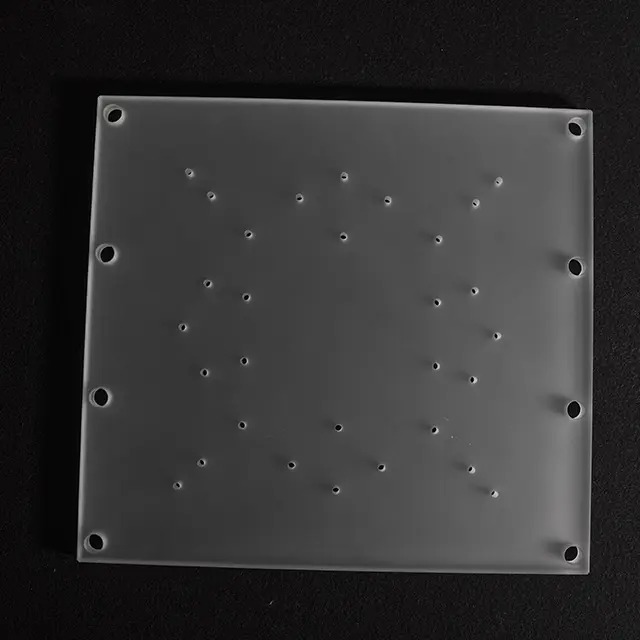
If the design calls for holes or notches — for hinges, locks, or cable pass-throughs — diamond-tipped drills are used. Shaping may also involve waterjet cutting for intricate designs.
4. Tempering
Tempering increases the mechanical strength of glass by heating it to over 600°C and then rapidly cooling it. This creates surface compression, making the glass several times stronger than annealed glass and causing it to break into small, blunt pieces if shattered.
5. Laminating
For safety and sound insulation, two or more layers of glass are bonded with an interlayer, often polyvinyl butyral (PVB). Laminated glass holds together when broken, reducing injury risk.
6. Coating and Surface Treatments
Special coatings — such as low-emissivity (Low-E) films, anti-glare treatments, or reflective coatings — can improve energy efficiency, reduce glare, or enhance aesthetics.
7. Polishing and Final Inspection
Final polishing ensures optical clarity and smoothness, followed by a thorough inspection for defects, scratches, or measurement deviations.
Quality Control in Glass Processing
Quality control is at the heart of successful glass processing. The processed glass must not only meet customer specifications but also comply with industry safety and performance standards such as EN, ASTM, or ISO certifications.
During production, quality checks may include:
Dimensional accuracy measurement.
Optical distortion testing.
Stress analysis using polariscopes.
Impact resistance tests.
Visual inspection for inclusions, bubbles, or scratches.
To ensure durability and long-term performance, each processed glass product undergoes rigorous checks before packaging and shipment. This meticulous approach guarantees that the glass will perform safely and effectively in its intended application.
Applications of Processed Glass
Processed glass finds applications across various sectors, each with unique performance demands:
| Application Sector | Type of Glass Processing | Purpose/Benefit |
| Architecture & Construction | Tempered, Laminated, Coated | Safety, thermal insulation, aesthetics |
| Automotive Industry | Tempered, Laminated | Passenger safety, noise reduction |
| Electronics & Displays | Coated, Precision Cut | Anti-glare, touch sensitivity |
| Furniture & Interiors | Decorative, Etched, Patterned | Design appeal, privacy |
| Industrial Equipment | Heat-resistant, Chemically Strengthened | High-temperature tolerance |
By tailoring the processing method to the application, manufacturers can ensure the glass not only meets functional requirements but also enhances user experience and design possibilities.
Sustainability in Modern Glass Processing
With global emphasis on sustainability, glass processing now integrates eco-friendly practices. Energy-efficient furnaces, water recycling in cutting and grinding, and optimized material utilization help reduce waste and emissions. Additionally, processed glass is highly recyclable — it can be re-melted without losing its original qualities.
Some sustainable innovations include:
Low-E coatings to reduce building energy consumption.
Solar control glass to minimize cooling loads.
Glass recycling programs to lower raw material extraction.
These measures not only benefit the environment but also enhance the economic value of glass products in long-term building performance.
Frequently Asked Questions (FAQ) About Glass Processing
Q1: How long does glass processing take?
Processing time varies depending on the complexity of the order — from a few hours for simple cuts to several days for laminated, coated, and shaped designs.
Q2: Can processed glass be cut after tempering?
No. Once tempered, glass cannot be cut, drilled, or reshaped without shattering. All shaping must be done beforehand.
Q3: Is laminated glass stronger than tempered glass?
They have different strengths: tempered glass is physically stronger, while laminated glass offers superior safety and sound insulation.
Q4: What is the difference between annealed and tempered glass?
Annealed glass is untreated float glass that breaks into large shards, whereas tempered glass is heat-treated to improve strength and break into safer, small fragments.
Q5: Does glass processing affect transparency?
Not necessarily — high-quality processing maintains optical clarity unless decorative or frosted finishes are applied intentionally.
Conclusion
The art and science of glass processing combine cutting-edge technology, precise engineering, and strict quality control to transform raw glass sheets into high-performance products. From the first cut to final polishing, every step matters — ensuring safety, durability, and design flexibility. As industries demand stronger, more efficient, and aesthetically versatile glass, processing methods will continue to evolve, embracing both innovation and sustainability.
 English
 العربية
 Français
 Русский
 Español
 Português
 Deutsch
 italiano
 日本語
日本語 한국어
한국어 Nederlands
 Tiếng Việt
 ไทย
ไทย Polski
 Türkçe
 አማርኛ
አማርኛ ພາສາລາວ
 ភាសាខ្មែរ
 Bahasa Melayu
 ဗမာစာ
ဗမာစာ தமிழ்
தமிழ் Filipino
 Bahasa Indonesia
 magyar
 Română
 Čeština
 Монгол
 қазақ
қазақ Српски
 हिन्दी
 فارسی
فارسی Kiswahili
 Slovenčina
 Slovenščina
 Norsk
Norsk Svenska
 українська
 Ελληνικά
 Suomi
Suomi Հայերեն
 עברית
עברית Latine
 Dansk
Dansk اردو
اردو Shqip
Shqip বাংলা
বাংলা Hrvatski
 Afrikaans
 Gaeilge
 Eesti keel
 Māori
Māori


