Glass is an indispensable material used across a vast array of industries—from construction and automotive to electronics and consumer goods. The journey of glass from raw materials to the polished finished product involves a complex series of processes, each critical in determining the quality, durability, and performance of the final glass product. Understanding the intricacies of glass processing is essential not only for manufacturers but also for consumers and designers who rely on glass products daily.
In this article, we will explore the comprehensive process of glass manufacturing, from the selection of raw materials to the final finishing techniques, and address common questions about glass processing.
Understanding the Basics of Glass Processing
What is Glass Processing?
At its core, glass processing refers to the set of techniques and operations used to transform raw silica and other materials into functional glass products. It involves melting, shaping, cooling, cutting, polishing, and sometimes coating or laminating to produce glass with specific characteristics tailored for various applications.
Glass processing is highly specialized, demanding precision to ensure optical clarity, strength, and resistance to thermal or mechanical stress. Depending on the intended use, different processing methods may be employed.
Key Raw Materials in Glass Processing
The primary raw material in glass production is silica sand (SiO₂), which constitutes the majority of glass composition. However, pure silica melts at very high temperatures, so other additives are used to modify melting points and properties:
| Raw Material | Purpose | Typical Content Percentage |
| Silica Sand | Base glass former | 60-75% |
| Soda Ash (Na₂CO₃) | Lowers melting temperature | 12-18% |
| Limestone (CaCO₃) | Improves durability and chemical resistance | 5-15% |
| Alumina (Al₂O₃) | Adds strength | 1-5% |
| Other Additives | Colorants, decolorizers, refining agents | <1% |
This mix of raw materials is carefully measured and blended before being melted in furnaces at temperatures exceeding 1,500°C.
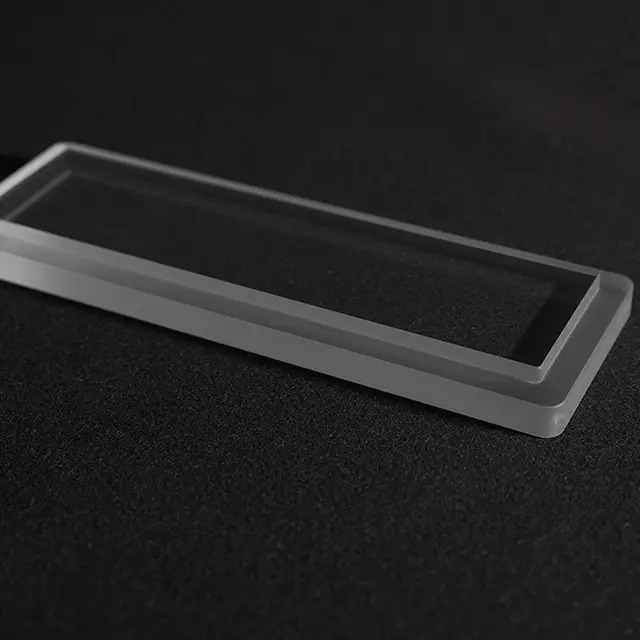
The Glass Manufacturing Process: Step-by-Step
Melting and Refining
The initial stage of glass processing involves melting the raw materials in a furnace. This melting process must achieve a homogeneous molten glass free from bubbles and unmelted particles. It generally lasts from several hours to a day, depending on the furnace type and batch size.
Refining agents help remove bubbles and impurities by encouraging them to rise to the surface, ensuring the glass’s optical clarity and strength.
Forming the Glass
Once the molten glass reaches the desired consistency, it undergoes shaping processes. There are several forming techniques used based on product requirements:
Float Glass Process: For flat glass such as windows and mirrors, the molten glass is floated on a bed of molten tin, creating smooth, uniform sheets.
Blowing and Pressing: Used for bottles and containers, molten glass is shaped by blowing air or pressing into molds.
Drawing and Rolling: Thin glass sheets for electronics or specialty applications can be drawn or rolled to precise thicknesses.
Each forming method impacts the glass structure and mechanical properties.
Post-Forming Glass Processing Techniques
Annealing
After shaping, the glass is cooled slowly in an annealing lehr to relieve internal stresses. This slow cooling prevents cracking and warping. The annealing process duration and temperature depend on glass thickness and composition.
Cutting and Grinding
Cutting raw glass into desired sizes is a critical step requiring precision tools such as diamond-tipped blades or water jets. After cutting, edges are ground smooth to eliminate sharpness and reduce the risk of cracking.
Polishing and Finishing
For applications requiring optical clarity or aesthetic appeal, glass surfaces undergo polishing. This step removes minor surface defects and enhances transparency.
Further finishing may include:
Coating: Adding anti-reflective, anti-scratch, or low-emissivity coatings.
Laminating: Bonding layers of glass with plastic interlayers for safety and strength.
Tempering: Heat-treating to increase strength and make the glass shatter into small granules on breakage rather than sharp shards.

Quality Control in Glass Processing
Quality assurance is paramount in glass manufacturing. Various tests are conducted to verify properties such as thickness uniformity, surface defects, mechanical strength, and thermal resistance.
Automated inspection systems use lasers and cameras to detect imperfections in real time, minimizing waste and ensuring consistency.
Frequently Asked Questions (FAQ) About Glass Processing
Q1: What factors affect the strength of processed glass?
Several factors influence glass strength, including composition, thickness, annealing quality, and tempering. Defects like scratches or inclusions can also weaken glass.
Q2: What is the difference between tempered and laminated glass?
Tempered glass is heat-treated to improve strength and safety, breaking into small granules when shattered. Laminated glass consists of layers bonded with plastic, holding shards together upon breakage.
Q3: Can glass be recycled in the processing stage?
Yes, cullet (recycled glass) is commonly added to the raw mix to reduce melting temperature, save energy, and lower costs without compromising quality.
Q4: How is the clarity of glass ensured during processing?
The refining stage removes bubbles and impurities. Controlled cooling and clean raw materials also contribute to optical clarity.
Conclusion
The journey from raw materials to finished glass products is a technically demanding process that combines chemistry, physics, and precision engineering. Every stage of glass processing—from melting and forming to finishing and quality control—plays a vital role in producing glass that meets stringent industry standards.
Understanding these processes not only helps manufacturers optimize production but also empowers consumers and designers to appreciate the craftsmanship behind everyday glass products. Whether it is a simple windowpane or a high-tech smartphone screen, the science of glass processing continues to evolve, driving innovation and sustainability.
 English
 العربية
 Français
 Русский
 Español
 Português
 Deutsch
 italiano
 日本語
日本語 한국어
한국어 Nederlands
 Tiếng Việt
 ไทย
ไทย Polski
 Türkçe
 አማርኛ
አማርኛ ພາສາລາວ
 ភាសាខ្មែរ
 Bahasa Melayu
 ဗမာစာ
ဗမာစာ தமிழ்
தமிழ் Filipino
 Bahasa Indonesia
 magyar
 Română
 Čeština
 Монгол
 қазақ
қазақ Српски
 हिन्दी
 فارسی
فارسی Kiswahili
 Slovenčina
 Slovenščina
 Norsk
Norsk Svenska
 українська
 Ελληνικά
 Suomi
Suomi Հայերեն
 עברית
עברית Latine
 Dansk
Dansk اردو
اردو Shqip
Shqip বাংলা
বাংলা Hrvatski
 Afrikaans
 Gaeilge
 Eesti keel
 Māori
Māori


