Material failure in aggressive industrial environments carries compounding financial and safety costs. When equipment faces rapid temperature differentials or highly acidic compounds, standard materials often fail. Conventional glass frequently compromises operational integrity under these conditions. This leads to unplanned downtime, severe contamination, and hazardous leaks that threaten entire production lines and facility personnel.
Standard materials simply cannot handle extreme thermal shock or chemical corrosion over prolonged operational cycles. Borosilicate Glass offers a specialized, baseline standard for high-stress applications. It is not a universal cure-all, but a highly engineered solution designed for predictability and structural longevity. This guide provides a technical framework for evaluating its properties, limitations, and operational return for industrial deployment, ensuring you specify the right material for your specific process conditions.
- Thermal Shock Immunity: A uniquely low coefficient of thermal expansion prevents catastrophic structural failure during rapid heating and cooling cycles.
- Uncompromising Chemical Stability: Exceptional resistance to water, neutral/acidic solutions, and organic substances ensures process purity and prevents material degradation.
- Environmental Sustainability: Unlike high-performance polymers, borosilicate glass is 100% recyclable and offers a lower environmental footprint over its operational lifecycle.
- Application Constraints: Borosilicate is not universally applicable; it requires careful risk assessment regarding mechanical impact vulnerability and specific high-concentration alkaline exposures.
The Engineering Case for Borosilicate Glass
Conventional soda-lime glass fails predictably under industrial stress. Micro-fractures develop rapidly when exposed to fluctuating temperatures. Thermal stress causes sudden shattering, while chemical leaching contaminates sensitive batches. Industrial environments require materials that guarantee predictability, inertness, and structural longevity. Standard industrial glass lacks the atomic rigidity to meet these baseline success criteria, making it a liability in dynamic processing environments.
The core advantage lies in the silica and boron trioxide matrix. Typical formulations contain approximately 80% silica and 13% boric oxide. This specific chemical composition differentiates it entirely from standard glass. Adding boron alters the atomic structure, creating a tighter, more rigid network. This molecular density prevents rapid expansion and contraction, forming the foundation of its industrial reliability.
When evaluating materials for high-stress environments, engineers must look beyond initial procurement and focus on operational continuity. The structural integrity of the silica-boron matrix ensures that the glass maintains its physical properties even after thousands of hours of exposure to harsh chemicals and fluctuating temperatures. This predictability allows maintenance teams to schedule replacements based on known wear rates rather than reacting to sudden, catastrophic failures.
Furthermore, the manufacturing process of this specialized glass involves precise temperature control and annealing techniques. These steps relieve internal stresses that naturally occur during forming. The result is a highly uniform material free from the microscopic inconsistencies that often plague lower-grade alternatives. This uniformity is critical when the glass is subjected to pressurized environments where any weak point can lead to a blowout.
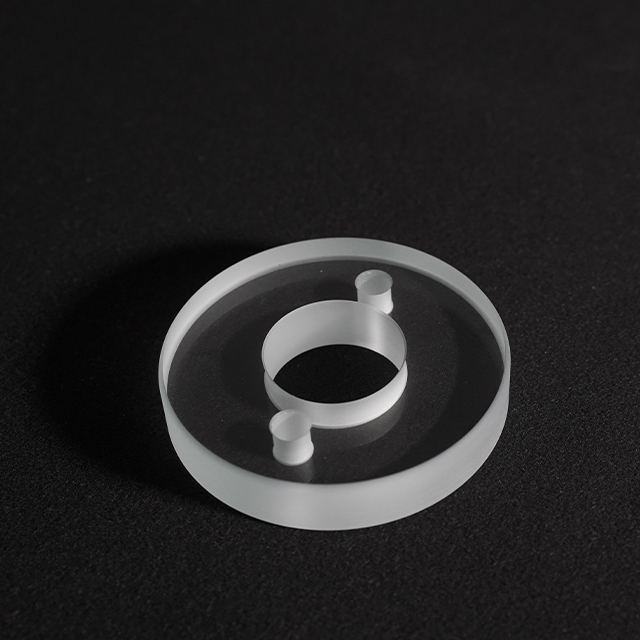
Primary Benefits of Borosilicate Glass in High-Stress Environments
Heat Resistance and Thermal Shock Mitigation
The mechanics of its low thermal expansion coefficient (approximately 3.3 x 10⁻⁶ K⁻⊃1;) drive its thermal performance. This allows the material to withstand rapid temperature shifts without fracturing. Continuous operating temperatures routinely reach 230°C, with maximum short-term exposure thresholds approaching 400°C depending on the exact formulation. Unmatched heat resistance translates directly into faster batch processing times. Facilities can bypass mandatory slow-cooling periods, accelerating overall production cycles.
In practical terms, this means a reactor vessel can be flushed with cold cleaning solvents immediately after a high-temperature reaction without the risk of the glass shattering. This capability significantly reduces turnaround times between batches. The thermal stability also ensures that precise dimensional tolerances are maintained, which is vital when the glass interfaces with metal components that have different expansion rates.
To fully leverage this thermal performance, operators must understand the specific temperature gradients their equipment experiences. Monitoring these gradients helps in designing systems that maximize throughput while staying within the safe operating limits of the glass. Proper insulation and controlled heating elements can further enhance the longevity of the glass components.
Chemical Stability and Corrosion Resistance
Aggressive media destroy standard materials. Borosilicate demonstrates exceptional performance against highly corrosive acids like hydrochloric and sulfuric acids. It also resists halogens effectively. This chemical stability prevents ion exchange and leaching. Maintaining the absolute purity of the end product is critical in pharmaceutical and chemical processing. The glass remains inert, ensuring no foreign contaminants enter the fluid stream.
Unlike metals that can corrode and introduce heavy metal ions into a batch, or polymers that might degrade and release organic compounds, this glass provides a truly neutral contact surface. This is particularly important in processes involving strong oxidizing agents or highly reactive organic synthesis. The surface remains smooth and uncompromised, preventing the buildup of residues that could cross-contaminate subsequent batches.
Regular inspection of the glass surface can confirm its ongoing chemical resistance. Any signs of etching or cloudiness indicate that the operational parameters may have exceeded the material's limits, typically due to high-alkaline exposure or hydrofluoric acid. Maintaining strict control over the chemical environment ensures the glass performs as expected over its intended lifespan.
Physical Durability, Surface Hardness, and Scratch Resistance
Particulate-heavy fluids and slurries cause severe physical wear. Borosilicate offers superior surface hardness, resisting scratching and abrasion from abrasive media. Maintaining a smooth surface prevents stress-concentration points caused by micro-scratches. These microscopic defects often lead to catastrophic failure under pressure. The hard surface maintains structural integrity over thousands of operational hours.
In pipeline systems transporting slurries, the internal surface of the glass resists the scouring action of the particulates. This resistance not only extends the life of the pipeline but also maintains the flow characteristics of the system. A scratched or pitted surface increases friction, which can alter flow rates and increase the energy required to pump the fluid.
When handling and installing these components, technicians must use appropriate tools and techniques to avoid accidental surface damage. Even though the material is hard, point impacts from metal tools can create the very micro-fractures the material is designed to resist. Proper training and handling protocols are essential to preserve the physical durability of the glass.
Optical Clarity for Process Monitoring
Transparency provides a distinct operational advantage in closed-loop systems. Operators require visual confirmation of fluid dynamics and reaction states. Borosilicate maintains high optical clarity over time. It resists clouding, pitting, or discoloration from harsh chemical exposure. This ensures sight glasses and reactor windows remain functional and safe for years.
The ability to visually inspect a process without opening the system enhances both safety and efficiency. Operators can detect issues such as foaming, incomplete mixing, or color changes that indicate a reaction has completed or gone awry. This real-time feedback is invaluable for maintaining process control and quality assurance.
To maintain this clarity, regular cleaning with compatible solvents is necessary. Abrasive cleaning pads or harsh mechanical scraping should be avoided, as they can damage the surface and reduce transparency. Implementing a standardized cleaning protocol ensures the sight glasses and windows provide clear, unobstructed views throughout their operational life.
Industrial Applications and Use Cases
Chemical Processing and Reactor Vessels
Distillation columns, heat exchangers, and reaction vessels rely heavily on this material. The primary benefit is visual confirmation of fluid dynamics. Operators monitor reaction states without compromising containment. The material handles aggressive solvents and exothermic reactions safely.
In distillation processes, the ability to observe the vapor-liquid equilibrium helps operators fine-tune temperature and pressure settings for optimal separation. The chemical inertness ensures that the distilled product remains pure, free from any contamination that might occur with metal columns. The thermal shock resistance allows for rapid startup and shutdown sequences, improving overall plant efficiency.
Heat exchangers benefit from the smooth surface of the glass, which resists fouling and scaling. This maintains high heat transfer efficiency over time, reducing energy consumption. The transparency also allows for easy inspection of the tubes, ensuring that any buildup is detected and addressed before it impacts performance.
Pharmaceutical Manufacturing and Laboratory Equipment
Bioreactors, ampoules, and high-purity fluid transfer lines demand strict non-leaching properties. Contamination of sensitive biologics ruins entire production runs. Borosilicate meets these stringent requirements perfectly. It provides a sterile, inert environment for critical pharmaceutical manufacturing.
In bioreactors, the glass provides a clear view of cell cultures, allowing researchers to monitor growth and detect any signs of contamination visually. The smooth surface prevents the adhesion of biological material, making cleaning and sterilization processes more effective. This ensures that each batch starts in a completely sterile environment.
For fluid transfer lines, the transparency allows operators to verify that lines are completely clear of air bubbles or residual fluids before starting a new transfer. The chemical stability ensures that cleaning agents and sterilizing steam do not degrade the lines, maintaining the integrity of the pharmaceutical products being handled.
Sight Glasses, Fluid Level Indicators, and Furnace Windows
Boilers, pressurized pipelines, and high-temperature industrial ovens utilize armored sight glasses. These components serve as reliable visual inspection points. They must withstand simultaneous pressure, heat, and corrosive media. Borosilicate delivers the necessary structural integrity for these high-risk observation points.
Fluid level indicators made from this glass provide accurate, easy-to-read measurements even in harsh environments. The resistance to chemical attack ensures that the glass does not become cloudy or etched, which would obscure the fluid level. This reliability is crucial for preventing overfills or dry runs in critical tanks and vessels.
Furnace windows must endure extreme radiant heat while providing a clear view of the combustion process. The low thermal expansion of the glass prevents it from shattering due to the intense heat gradients. This allows operators to monitor burner performance and flame characteristics safely, ensuring efficient and clean combustion.
Evaluating Borosilicate Glass Against Alternative Materials
Borosilicate vs. Soda-Lime Glass
Soda-lime is sufficient for static, low-stress environments. However, it fails rapidly in dynamic industrial processes. While soda-lime is cheaper initially, borosilicate offers superior lifecycle longevity. The extended lifespan and reduced failure rate make it the practical choice for high-stress applications.
| Property | Borosilicate Glass | Soda-Lime Glass |
| Thermal Expansion | Low (approx. 3.3 x 10⁻⁶ K⁻⊃1;) | High (approx. 9.0 x 10⁻⁶ K⁻⊃1;) |
| Thermal Shock Resistance | Excellent | Poor |
| Chemical Inertness | High | Moderate |
| Maximum Operating Temp | Up to 400°C (short-term) | Up to 150°C |
The table above clearly illustrates why soda-lime is inadequate for demanding industrial applications. The significant difference in thermal expansion means soda-lime will shatter under conditions where borosilicate remains stable. This stability is not just a matter of convenience; it is a critical safety factor in environments handling hazardous chemicals or operating under high pressure.
Borosilicate vs. Quartz Glass (Fused Silica)
Quartz glass offers superior heat resistance and UV transmission. However, quartz carries an extreme cost premium. Borosilicate offers a more practical, cost-effective middle ground for most applications. Specify quartz only when operating temperatures exceed 400°C continuously.
Quartz is often over-specified in situations where its extreme properties are not strictly necessary. For the vast majority of chemical and pharmaceutical processes, borosilicate provides more than adequate thermal and chemical resistance. The decision to upgrade to quartz should be based on a rigorous analysis of the specific process requirements, particularly continuous operating temperatures and the need for broad-spectrum UV transmission.
When evaluating these two materials, consider the entire system design. If the surrounding metal components or gaskets cannot withstand temperatures above 300°C, specifying quartz glass for the sight window provides no practical benefit. Aligning the material specifications with the weakest link in the system ensures a balanced and cost-effective design.
Borosilicate vs. High-Performance Polymers (PTFE/PFA)
Glass provides absolute transparency and rigidity. Fluoropolymers offer flexibility and impact resistance. Glass-lined steel or polymer-lined vessels are often specified over solid glass in high-impact zones. Choose glass when optical clarity and absolute vacuum integrity are paramount.
Polymers like PTFE are excellent for chemical resistance but lack the optical clarity required for visual process monitoring. They can also deform under pressure or high temperatures, compromising vacuum seals. Glass maintains its rigid shape, ensuring that seals remain tight and leak-free even under fluctuating pressure conditions.
In hybrid systems, glass and polymers are often used together to leverage their respective strengths. For example, a glass sight window might be sealed with PTFE gaskets. This combination provides the transparency and rigidity of glass with the chemical resistance and sealing capabilities of the polymer, creating a robust and reliable component.
Sustainability & Recyclability Factors
The environmental profile of borosilicate is excellent. It is 100% recyclable and offers inert end-of-life disposal. Synthetic polymers and metals require high carbon-footprint refinement processes. Glass provides a sustainable alternative without sacrificing industrial performance.
As industries move towards more sustainable practices, the recyclability of materials becomes a significant factor in procurement decisions. When a glass component reaches the end of its operational life, it can be melted down and reformed without any loss of quality. This closed-loop lifecycle reduces the demand for raw materials and lowers the overall environmental impact of the facility.
Furthermore, the inert nature of the glass means that it does not release harmful chemicals into the environment if it is disposed of in a landfill. Unlike some polymers that can degrade and leach microplastics or toxic compounds, glass remains stable and harmless, aligning with strict environmental regulations and corporate sustainability goals.
Implementation Risks, Limitations, and Mitigation
Mechanical Fragility and Impact Vulnerability
Tensile strength limitations exist. Glass remains susceptible to physical impact. Mitigation strategies are essential for safe deployment. Utilize proper mounting techniques and protective shielding. Install armored sight glass assemblies to protect against accidental tool strikes or environmental debris.
- Ensure all mounting surfaces are flat and free of debris before installation.
- Use a torque wrench to tighten bolts evenly in a star pattern to prevent uneven stress.
- Install protective metal shields or screens over exposed glass components in high-traffic areas.
- Implement strict tool-handling protocols near glass installations to minimize accidental impacts.
Following these steps significantly reduces the risk of mechanical failure. The key is to isolate the glass from external physical shocks while allowing it to perform its primary function. Armored assemblies, which encase the glass in a robust metal housing, provide an excellent balance of visibility and protection.
Limitations in High-Alkaline Environments
Borosilicate has specific vulnerabilities. Hot, highly concentrated phosphoric acid and strong caustic solutions degrade the material. Chemical stability begins to degrade rapidly when pH exceeds 10 at elevated temperatures. Always consult compatibility charts before exposing glass to strong alkalis.
When dealing with high-alkaline processes, alternative materials or protective coatings must be considered. If glass is absolutely necessary for visibility, operators must implement strict monitoring of the glass surface and establish a frequent replacement schedule to prevent catastrophic failure. The degradation usually manifests as a cloudy or etched surface, which serves as an early warning sign.
To mitigate this risk, facilities can lower the operating temperature of the alkaline process if possible, as the rate of chemical attack increases exponentially with heat. Alternatively, sacrificial glass liners can be used, which are designed to be replaced easily and cost-effectively during routine maintenance shutdowns.
Installation Tolerances and Gasketing Requirements
Integrating rigid glass components with metal infrastructure requires precise engineering. Metal expands faster than glass during heating. Specify correct gasket materials, such as PTFE, to absorb vibration. Proper gasketing prevents point-loading fractures and maintains a secure seal under pressure.
The selection of the gasket material is just as critical as the selection of the glass itself. The gasket must be chemically compatible with the process media, capable of withstanding the operating temperatures, and compressible enough to absorb the differential expansion between the glass and the metal housing. PTFE is often the material of choice due to its broad chemical resistance and thermal stability.
During installation, the gasket must be centered perfectly to ensure uniform pressure distribution. Any misalignment can create a point load on the glass, leading to a fracture when the system is pressurized or heated. Regular inspection of the gaskets is also necessary, as they can degrade over time and lose their compressibility, transferring stress directly to the glass.
Procurement and Compliance Considerations
Regulatory Standards and Classifications
Industrial glass must meet strict regulatory standards. USP Type I classification is mandatory for pharmaceuticals. ISO 3585 governs general properties, while FDA compliance is required for food-grade applications. Ensure all procured materials carry the necessary certifications for your specific industry.
Compliance is not just a bureaucratic requirement; it is a guarantee of material performance and safety. When sourcing glass components, request detailed material test reports (MTRs) from the manufacturer. These reports verify the chemical composition, thermal properties, and physical dimensions of the glass, ensuring it meets the specified standards.
For pharmaceutical applications, the USP Type I classification ensures that the glass will not leach alkalis into the product, which could alter the pH and degrade sensitive biologics. Maintaining a clear paper trail of these certifications is essential for passing regulatory audits and ensuring the safety of the end product.
Custom Fabrication, Formability, and Supply Chain Realities
Machining, blowing, molding, and tempering custom components involves complex geometries. Specialized reactor parts require significant lead times. Standardized sight glass discs are readily available. Plan procurement cycles carefully when ordering custom-machined industrial glass components.
When designing custom glass components, work closely with the fabricator to understand the limitations of the manufacturing process. Sharp internal corners, extreme variations in wall thickness, and complex internal structures can create stress concentrations that weaken the final product. Simplifying the design often leads to a stronger, more reliable component and reduces manufacturing lead times.
Establish a robust supply chain by qualifying multiple vendors for critical glass components. This ensures a steady supply even if one manufacturer experiences production delays. Keep a strategic inventory of standardized parts, such as sight glass discs and common gaskets, to minimize downtime during unexpected maintenance events.
Conclusion
Borosilicate glass remains the definitive material choice for demanding industrial applications. It delivers a non-compromising combination of thermal shock resistance, chemical inertness, durability, and optical clarity. Specify this material for environments with high thermal variance and acidic exposure. Pivot to quartz for extreme high-temperature thresholds, or polymers for high physical impact zones.
- Audit your current operational temperature differentials to identify high-risk failure points.
- Consult chemical compatibility charts for your specific process media, paying close attention to alkaline concentrations.
- Engage with specialized glass fabricators for prototype sampling and tolerance reviews.
- Review and upgrade your current gasketing materials to prevent point-loading fractures on rigid glass installations.
FAQ
Q: What makes borosilicate glass structurally different from regular industrial glass?
A: It contains approximately 13% boric oxide, which alters the atomic structure. This creates a tighter, more rigid molecular network that resists rapid expansion and contraction, unlike standard soda-lime glass.
Q: What is the maximum continuous operating temperature for borosilicate glass?
A: Continuous operating temperatures typically reach up to 230°C. Short-term exposure thresholds can approach 400°C, depending on the specific formulation and environmental conditions.
Q: Is borosilicate glass completely chemically inert to all substances?
A: No. While highly resistant to most acids and organics, it is vulnerable to hot, highly concentrated phosphoric acid, hydrofluoric acid, and strong caustic solutions (alkalis) at elevated temperatures.
Q: How does a low thermal expansion coefficient prevent glass from shattering?
A: A low coefficient means the material barely expands or contracts when heated or cooled. This prevents internal mechanical stress from building up, eliminating the primary cause of thermal shock fractures.
Q: How does the scratch and abrasion resistance of borosilicate glass compare to industrial plastics?
A: It offers significantly higher surface hardness than industrial plastics like PTFE or polycarbonate. It resists scratching from abrasive slurries, maintaining optical clarity and structural integrity much longer.
Q: Can borosilicate glass be custom-machined or molded for high-pressure industrial equipment?
A: Yes. It can be blown, molded, machined, and tempered into complex geometries. However, custom fabrication requires specialized equipment and longer lead times compared to standard flat glass.
Q: What does a USP Type I classification mean for borosilicate glass in pharmaceuticals?
A: USP Type I indicates it is a highly resistant, non-leaching glass suitable for packaging sensitive biologics and injectables. It guarantees minimal alkali release, preventing contamination of pharmaceutical products.
 English
 العربية
 Français
 Русский
 Español
 Português
 Deutsch
 italiano
 日本語
日本語 한국어
한국어 Nederlands
 Tiếng Việt
 ไทย
ไทย Polski
 Türkçe
 አማርኛ
አማርኛ ພາສາລາວ
 ភាសាខ្មែរ
 Bahasa Melayu
 ဗမာစာ
ဗမာစာ தமிழ்
தமிழ் Filipino
 Bahasa Indonesia
 magyar
 Română
 Čeština
 Монгол
 қазақ
қазақ Српски
 हिन्दी
 فارسی
فارسی Kiswahili
 Slovenčina
 Slovenščina
 Norsk
Norsk Svenska
 українська
 Ελληνικά
 Suomi
Suomi Հայերեն
 עברית
עברית Latine
 Dansk
Dansk اردو
اردو Shqip
Shqip বাংলা
বাংলা Hrvatski
 Afrikaans
 Gaeilge
 Eesti keel
 Māori
Māori


