Architects and developers face escalating pressure today. They must meet stringent building energy codes like ASHRAE and LEED. At the same time, they cannot sacrifice façade aesthetics or occupant comfort. Balancing these opposing demands creates a significant architectural dilemma. We introduce reflective glass not just as a generic building material. Instead, it serves as a highly calculated intervention. It actively manages the Solar Heat Gain Coefficient (SHGC). This targeted approach directly optimizes mechanical HVAC loads. This article provides a transparent, specification-oriented breakdown for industry professionals. You will learn how to evaluate, compare, and implement these solutions effectively. We guide you through applying this technology in modern commercial or high-end residential projects. By the end, you will understand how to balance thermal performance and visual appeal perfectly.
Key Takeaways
- Thermal Performance: Reflective glass aggressively reduces solar heat gain, directly lowering peak HVAC cooling loads.
- Aesthetic & Privacy ROI: Acts as a dual-purpose material, offering dynamic visual appeal (decorative glass) while ensuring daytime occupant privacy.
- Performance Trade-offs: High reflectivity requires balancing visible light transmittance (VLT) to avoid an over-reliance on artificial indoor lighting.
- Specification Reality: Success depends heavily on proper coating selection (pyrolytic vs. vacuum-coated) and surface placement (Surface 1 vs. Surface 2).
The Measurable Impact of Reflective Glass on Energy Efficiency
You can measure the true value of these materials through building performance data. The mechanism of action is straightforward. A specialized metallic coating sits on the surface. It intercepts incoming solar radiation quickly. The coating reflects heat away from the building envelope. It achieves this before the heat can penetrate the interior space. This process fundamentally changes how a building manages internal temperatures.
Lowering the Solar Heat Gain Coefficient (SHGC) directly reduces mechanical cooling requirements. Carefully specified energy efficient glass configurations can yield up to a 25% reduction in peak cooling loads. These objective metrics matter heavily for securing LEED certification. Lower peak loads allow mechanical engineers to downsize HVAC equipment. Smaller equipment uses less electricity daily. It also frees up valuable mechanical room space.
However, you must look at the complete thermal picture. Reflective coatings handle incoming solar radiation well. Yet, they cannot manage winter heat loss alone. You must pair them inside insulated glass units (IGUs). Adding Low-E coatings further improves the overall U-value. This synergy ensures optimal year-round performance across all climate zones. It prevents the building from acting like a greenhouse in summer or an icebox in winter.
Beyond HVAC: Privacy, Daylight, and Decorative Glass Integration
Modern façades require more than just strict thermal control. They must also deliver strong visual statements. The surface reflects the surrounding environment beautifully. You might see the shifting sky or adjacent landscape mirrored on the building. This provides a premium architectural finish. You achieve this dynamic look without needing extra exterior cladding. Designers often use it as a robust form of decorative glass. It adds vibrant life to otherwise static building elevations.
Beyond aesthetics, consider the daytime privacy matrix carefully. The material creates a practical "one-way mirror" effect. This phenomenon happens because exterior daylight outperforms interior lighting during the day. Occupants inside can see outside clearly. Meanwhile, outsiders only see a solid, mirrored reflection. It functions as an excellent passive security feature. Ground-floor offices and street-facing residential units benefit greatly from this privacy layer.
However, you must manage the Visible Light Transmittance (VLT) trade-off smartly. We must address skeptical buyers openly. Achieving heavy reflection naturally lowers VLT. Less natural light enters the workspace. You must treat this as a critical design variable early on. Frame it carefully during the planning phase. Conduct thorough daylight modeling using advanced software. This prevents designing uncomfortably dark interior spaces. You want to avoid creating an over-reliance on artificial indoor lighting during standard working hours.
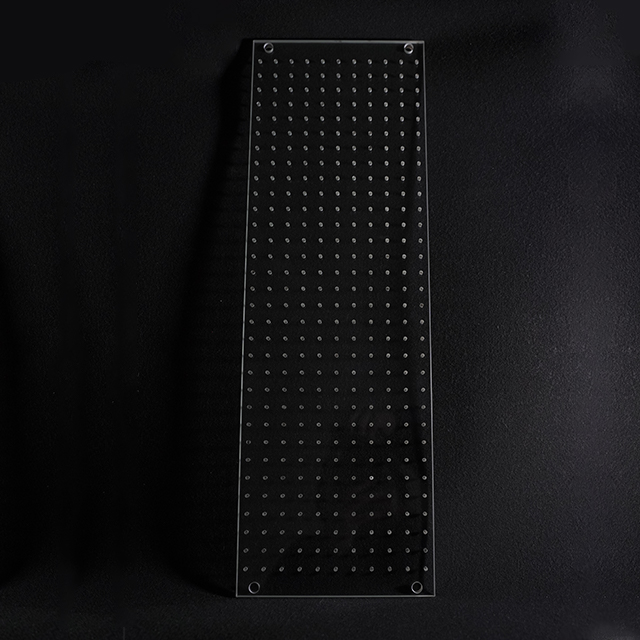
Reflective Glass vs. Tinted and Clear Glass: A Decision Framework
Selecting the right glazing requires a clear, objective comparison. We evaluate three primary categories to guide your specification process. Clear glass offers exceptional VLT for maximum daylight. However, it provides notoriously poor solar control. It allows massive heat penetration into the building core. You will need extensive internal shading systems like automated blinds or louvers. These additions disrupt the interior aesthetics. They also require ongoing physical maintenance and regular cleaning.
Tinted glass acts as an absorbing thermal layer. It absorbs solar heat and radiates a portion of it inward. This absorption process creates significant thermal stress risks. You often must specify expensive heat-strengthened materials to prevent spontaneous cracking. In contrast, reflecting materials reject solar energy entirely. They bounce radiation away rather than absorbing it. This mechanism delivers superior cooling efficiency in high-sunlight climates.
Consider the cost-to-benefit ratio carefully during budgeting. The upfront premium for advanced coatings seems higher initially. Yet, you must weigh this against long-term operational savings. Lower cooling loads mean smaller mechanical systems. You might also eliminate secondary shading devices entirely. This elimination offsets the initial material premium significantly. Building owners see rapid returns through lower monthly utility bills.
Performance Comparison Chart
| Glass Type | Solar Heat Control | Visible Light (VLT) | Maintenance Needs | Thermal Stress Risk |
| Clear Glass | Poor (Lets heat in) | High | High (requires shading) | Low |
| Tinted Glass | Moderate (Absorbs heat) | Medium to Low | Low | High |
| Reflecting Glass | Excellent (Rejects heat) | Low to Medium | Low | Low to Moderate |
Implementation Risks: Navigating Compliance and Glare
Every architectural choice carries specific implementation risks. You must navigate compliance guidelines diligently. Urban glare restrictions remain a primary concern for developers. Specular reflection can easily disrupt neighboring buildings. It may also temporarily blind drivers in nearby traffic lanes. We strongly advise conducting localized glare studies. Do this before finalizing your façade specification. It prevents costly legal disputes or forced redesigns later in the project.
Zoning and code compliance pose another strict hurdle. Many municipalities cap exterior reflectivity percentages rigidly. A limit of 15% to 20% is common in dense urban centers. Always verify local building codes early in schematic design. You must ensure your specified high reflectivity product meets these legal thresholds exactly. Failure to comply can halt construction indefinitely.
Bird-friendly regulations are increasingly mandatory across North America and Europe. Highly reflective surfaces mirror the sky and adjacent trees realistically. This drastically increases bird collision risks. You can implement distinct mitigation strategies successfully. Many designers apply UV-patterned coatings on Surface 1. Birds see these patterns clearly. Humans barely notice them, preserving the architectural intent.
Finally, consider coating durability during construction and operation. We see two main types in the industry. Hard-coat, or pyrolytic coatings, are highly durable. They bake into the surface during manufacturing. They withstand direct weather exposure extremely well. Soft-coat, or sputtered coatings, offer better thermal performance. However, they are fragile. You must enclose them securely within an IGU. They cannot face the open environment directly.
Shortlisting Logic: How to Specify Reflecting Glass for Your Project
Following a structured shortlisting logic guarantees better project outcomes. You must define your exact success criteria first. Establish firm project priorities before contacting manufacturers. Determine your maximum acceptable SHGC limit. Set a baseline target for VLT. Choose a specific aesthetic color palette. Factor in all local code constraints immediately.
Next, determine proper surface placement. Placing the coating on Surface 1 maximizes thermal performance. It creates the strongest reflection and sharpest aesthetics. Moving it to Surface 2 changes the dynamic completely. This surface sits inside the exterior pane. It slightly mutes the exterior reflection. However, it strongly protects the coating from environmental wear and weather damage. This extends the lifespan of the façade.
Use a strict vendor evaluation process. You must hold glass fabricators to high industry standards. Ask them specific operational questions before awarding the contract.
Vendor Evaluation Checklist
- Mock-up availability: Can they provide large physical samples for on-site lighting tests?
- Warranty terms: What exactly does their warranty cover regarding coating degradation over time?
- Thermal stress analysis: Will they run comprehensive thermal models based on your specific climate zone?
- Lead times: Do they have the fabrication capacity to meet your construction schedule reliably?
Conclusion
Our final assessment remains clear. This material serves as a highly engineered performance tool. It is certainly not just a superficial aesthetic choice. Proper specification dramatically improves building energy efficiency. It shapes the daily occupant experience profoundly by balancing light and heat. We encourage all decision-makers to take actionable next steps. Request physical mock-ups from your shortlisted vendors. View these samples under actual site lighting conditions. Do not rely solely on digital renders or indoor showroom lighting. Finally, consult directly with a qualified glazing engineer. They will build a customized energy model for your exact site. This ensures your final selection meets all performance and visual goals.
FAQ
Q: Does reflective glass lose its privacy effect at night?
A: Yes, the physics dictate a complete reversal. The one-way mirror effect relies entirely on light imbalance. When it is dark outside and interior lights turn on, outsiders can see inside clearly. The daytime privacy effect vanishes. We highly recommend installing secondary window treatments, like automated blinds or shades. These ensure total nighttime privacy for building occupants.
Q: Can reflecting glass be retrofitted into existing commercial frames?
A: It depends heavily on the existing frame structure. You must evaluate weight and thickness constraints carefully. Older single-pane frames often cannot support modern double-pane IGUs. IGUs are significantly thicker and heavier. You might need to reinforce existing mullions. Sometimes, full frame replacement is safer. Always have a structural engineer assess the original curtain wall before attempting a retrofit.
Q: Does a highly reflective coating negate the need for Low-E glass?
A: No, they serve completely different primary functions. Reflective coatings intercept and bounce away solar heat gain from the sun. Low-E coatings manage radiant heat transmission. They block interior heat from escaping during winter. They also stop ambient outdoor heat from entering during summer. We often combine both technologies within a single IGU to achieve optimal year-round energy performance.
 English
 العربية
 Français
 Русский
 Español
 Português
 Deutsch
 italiano
 日本語
日本語 한국어
한국어 Nederlands
 Tiếng Việt
 ไทย
ไทย Polski
 Türkçe
 አማርኛ
አማርኛ ພາສາລາວ
 ភាសាខ្មែរ
 Bahasa Melayu
 ဗမာစာ
ဗမာစာ தமிழ்
தமிழ் Filipino
 Bahasa Indonesia
 magyar
 Română
 Čeština
 Монгол
 қазақ
қазақ Српски
 हिन्दी
 فارسی
فارسی Kiswahili
 Slovenčina
 Slovenščina
 Norsk
Norsk Svenska
 українська
 Ελληνικά
 Suomi
Suomi Հայերեն
 עברית
עברית Latine
 Dansk
Dansk اردو
اردو Shqip
Shqip বাংলা
বাংলা Hrvatski
 Afrikaans
 Gaeilge
 Eesti keel
 Māori
Māori


